A Guide to Emergency Food Preparation
When disaster strikes without warning, your emergency kit becomes a lifeline — and the single most important item inside it is food. Enough food keeps you going, sustains your body's basic functions, and gives you the energy you'll need to get through the worst of it.
This article focuses on preparing for a three-day window. Longer-term food planning (say, two weeks) is something we'll cover in a separate post.
Key principles to keep in mind
- Hydration — Meet daily water requirements (see formula below)
- Calories — Meet daily calorie needs (see formula below)
- Nutrition — Aim for balanced nutrition where you can
- Who it's for — Pack the right foods for adults, infants, elderly family members, and pets
- Shelf life — Choose items that store well and last a long time
- Regular refresh — Check expiry dates every six to twelve months and replace as needed
- Storage conditions — Keep things somewhere cool, with stable temperature and humidity

Water storage
Making sure you have enough drinking water is the single most important thing.
There's a simple formula for daily water needs:
Body weight (kg) × 30 = daily intake in ml
Examples:
- 55 kg → 55 × 30 = roughly 1,650 ml per day
- 75 kg → 75 × 30 = roughly 2,250 ml per day
Water is a basic survival need, which makes it an indispensable part of any emergency kit. Beyond packing a fixed quantity of bottled water, it's also worth considering a portable water filter or purification tablets, so you can treat water yourself when safe drinking water isn't available.

Calorie needs
Daily calorie requirements per person
Recommended intake varies by sex and activity level. If you want to calculate each family member's needs precisely, here's a simple formula:
Body weight (kg) × (22 for women / 24 for men) × physical activity factor = daily calorie requirement (kcal)
Physical activity factor:
- Unable to walk: 1.1
- Sedentary / light activity: 1.2–1.4
- On your feet or walking most of the day: 1.6–1.8
- Very high activity: 1.8–2.2 or above
If you don't have time to do the math, here are some quick examples (using an activity factor of 1.7, which corresponds to being on your feet most of the day):
- 50 kg woman: 50 × 22 × 1.7 = roughly 1,870 kcal/day
- 80 kg man: 80 × 24 × 1.7 = roughly 3,264 kcal/day

Recommended food categories
- High-calorie: chocolate, peanut butter, honey, maple syrup, etc.
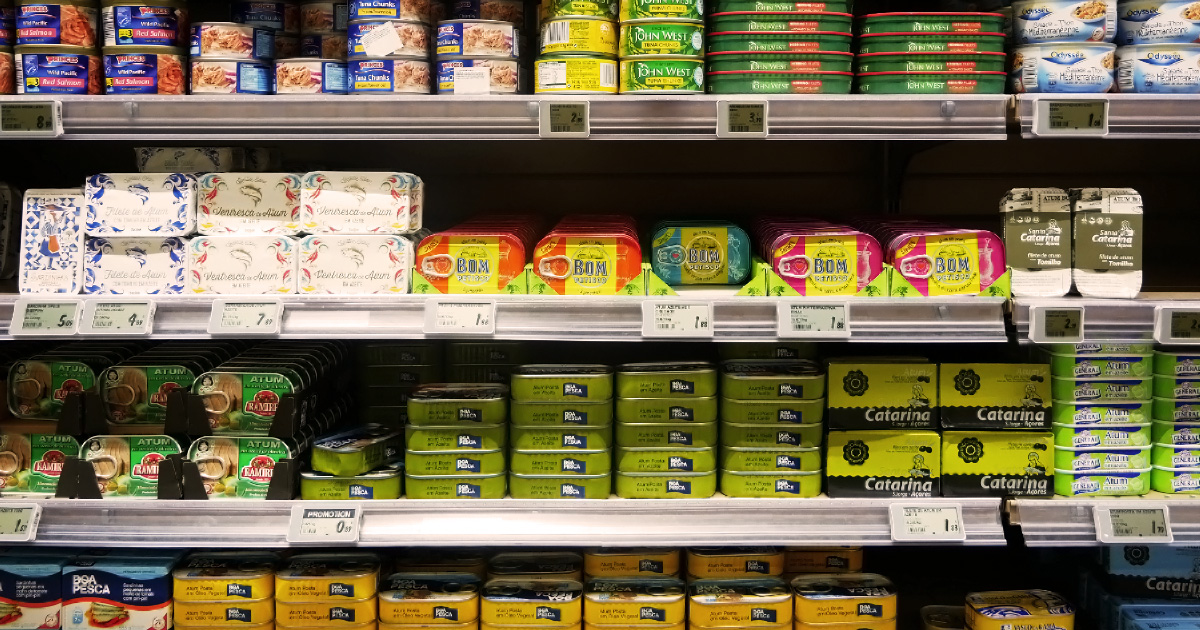
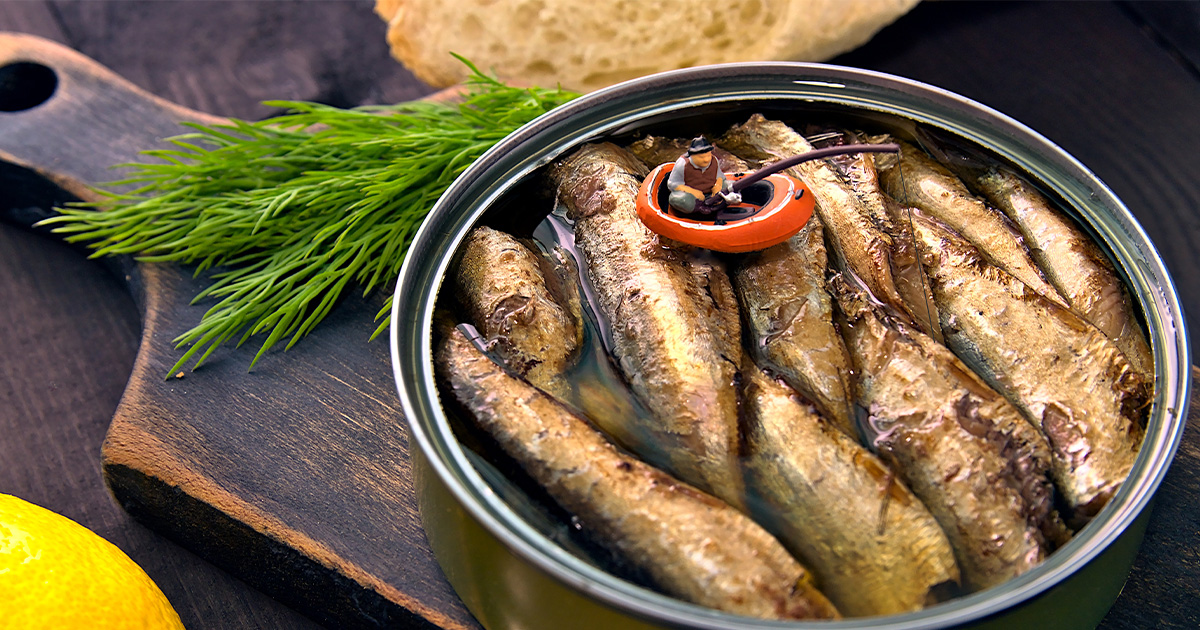
- Nutrient-dense: instant congee, shelf-stable milk, canned foods, military rations, granola bars, etc.
- Ready to eat (just open and go): protein bars, salt candies, etc.
We'd also strongly recommend choosing items you already eat regularly. Next time you're at the supermarket or shopping online, pick up a few ready-to-eat foods or canned options and try them out. That way, when an emergency actually hits, you won't end up dealing with stomach upset or dehydration from unfamiliar food.
Tailor your supplies to your household
- Infants: formula, baby food
- Elderly family members: soft, easy-to-chew foods
- Dogs and cats: kibble, wet food, comfort treats
Account for special dietary needs: If you or anyone in your family follows a special diet — vegetarian, gluten-free, lactose intolerant, food allergies, and so on — be sure to factor that in when choosing what to pack.

Check and refresh regularly
All food has an expiry date, so go through your emergency kit on a regular basis. Anything that's close to expiring should be swapped out promptly, so that when disaster does strike, what's inside is still safe to eat.
The good news: because you've packed things you actually like, finishing up the older items as you rotate them out is no hardship at all.
Storage conditions
First, make sure all packaging is intact and undamaged. If you have rodents or pests in the house, store your food inside a sturdy container or box that can't be chewed through.
As far as possible, keep everything in a cool spot where temperature and humidity stay reasonably stable. (Places to avoid: outdoor balconies, the kitchen.) That alone will go a long way toward preventing spoilage caused by poor storage conditions.
That covers the basics of stocking your emergency kit with food. A little time invested now, while life is calm, goes a long way toward protecting you and your family when it isn't.
We'll keep saying it: everyone should check and refresh their emergency kit on a regular schedule. That's the only way to be sure the contents are in good shape when an emergency actually happens — and to genuinely protect the lives of the people you love.
|
|
Bonny I'm Bonny — a few conflicting souls share the space inside me. I love reading quietly on my own, but every so often I shut myself in my room and crank up heavy metal at full volume. I'm obsessed with productivity tools and chasing personal efficiency, but I'm also hopelessly addicted to teamwork — I can't shake the rush of pursuing big dreams alongside the people I work with. I follow social issues and international politics closely, and I'm convinced that understanding disasters and preparing for them is far more useful than fearing them. I take writing these columns seriously, because I believe that if I just keep at it, there's a real chance these words will help save more lives. ❤️ |